

 Login
Login

Sharing stories with... Hortus collective
Hortus Collective is emerging as the go-to landscape design practice for some of the UK’s most creative architects including Clementine Blakemore, Feilden Fowles and Assemble. The exemplary landscapes and gardens created by Hortus Collective shine with a strong sense of place informed by the practice’s firm ecological conviction.
ARCHITEXTURES Editor-at-large Vanessa Norwood sat down with Hortus Collective Directors Amy Langron and Mark Rogers to talk about all things landscape, from materials reuse, the importance of creating biodiverse small spaces and the architect who was happy with flowers of any colour - except yellow!
Vanessa: Hortus Collective is working with some incredible architects. Can you tell us about the origins of the studio?
Mark: I volunteered to design a studio garden at Waterloo City Farm for Architects Edmund and Fergus of Feilden Fowles Architects. I was leaving my job and moving out of London to explore green wood carpentry at Wilderness Wood, and Edmund asked if I would design his front garden in London Fields. During this time I also met his partner Clem (founder of Clementine Blakemore Architects) who was looking for a landscape designer to collaborate with on Wraxall Yard in Dorset. That was the seed for me to start the studio, and through our portfolio we are now approached by architects who have a sensibility for naturalistic landscape and the ecological planting design we provide. That's our main focus; creating an atmosphere with planting and what that can do in terms of well-being and improving spaces and biodiversity. We're very much designing with architects who are keen to create a reciprocity between buildings and landscape.
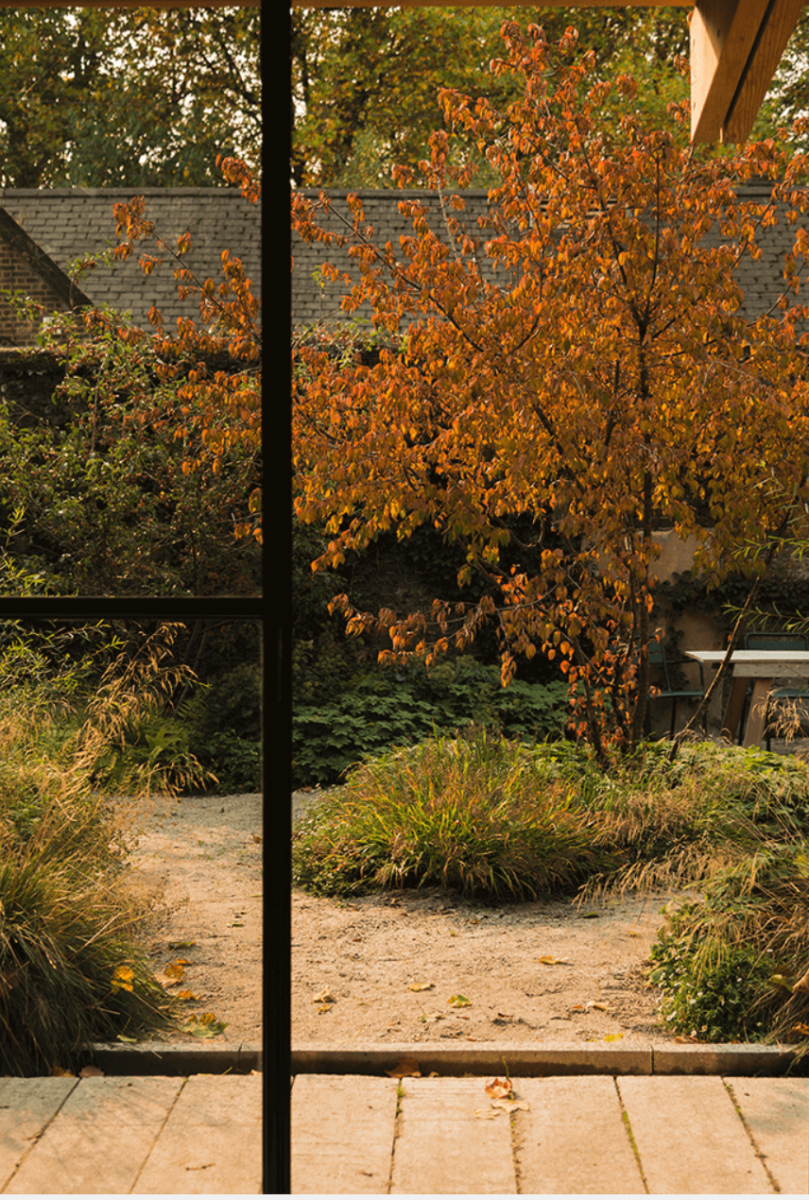
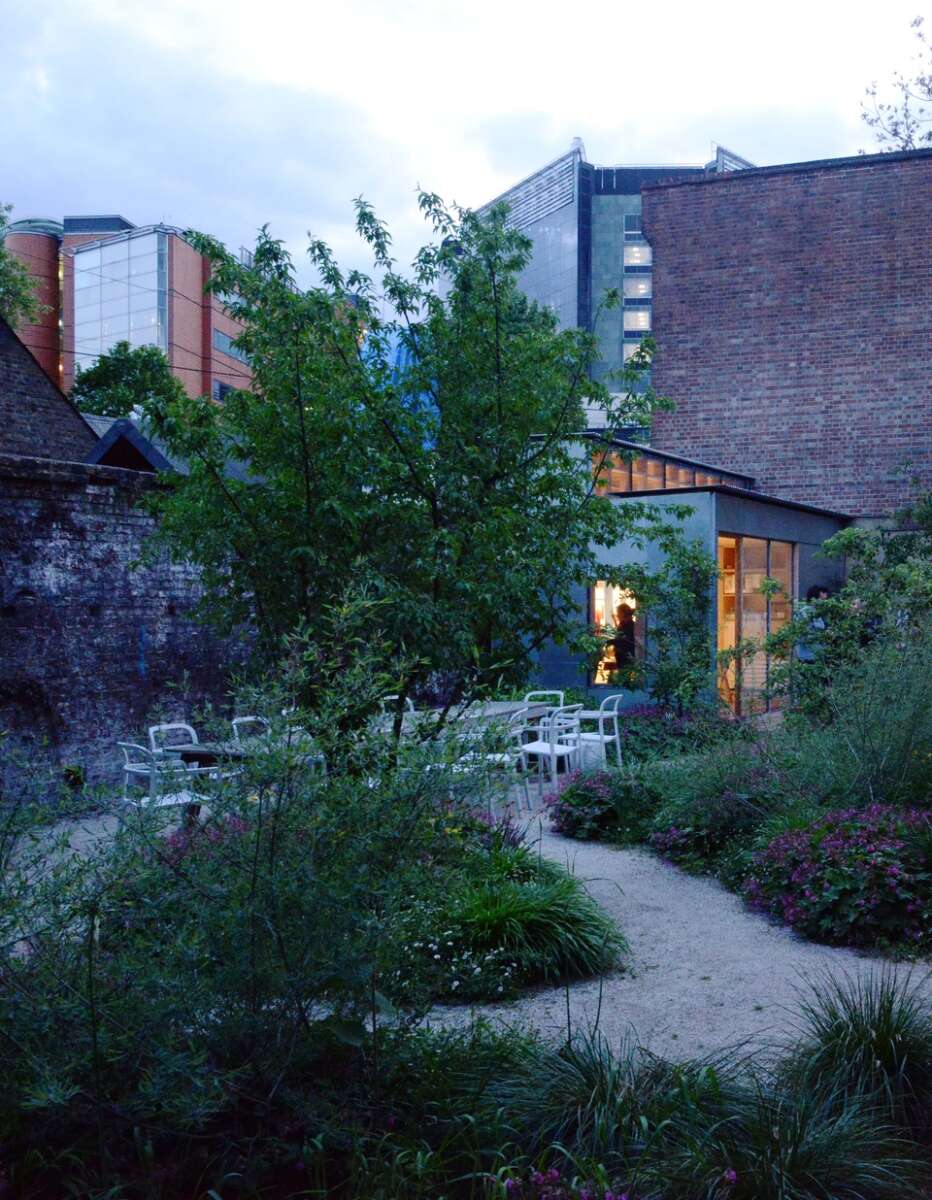 Waterloo City Farm Studio. Image credit: Feilden Fowles Architects
Vanessa: For a long time it seemed that landscape architecture was either misunderstood or slightly dismissed. Now there is a much greater appreciation of the skill of landscape practitioners alongside an understanding of how important the natural world is. Are you noticing that that change?
Amy: People are waking up to the idea that you can make big wins in the landscape in terms of biodiversity and habitat creation quite quickly and inspire people. It's partly to do with concern about the climate and habitat disappearing. In our field there seems to be big conversations at the moment about sustainable materials and habitat creation. We are starting to see the value in what you can achieve in smaller spaces, with studies finding that actually these spaces can be extremely valuable if they are connected within a network.
Mark: It's a big field, landscape architecture, covering many scales and types of work from landscape planning, design and management. We’re not typical Landscape Architects but do apply larger scale contextual thinking to our mesoscale garden and landscape design. We're very much creatively minded and apply this to ecological design, that's our passion. We both studied Landscape Architecture with Ecology under the tutorage of Nigel Dunnett and James Hitchmough and the focus on how we can design naturalistically for biodiversity and wellbeing has evolved from our initial studies together.
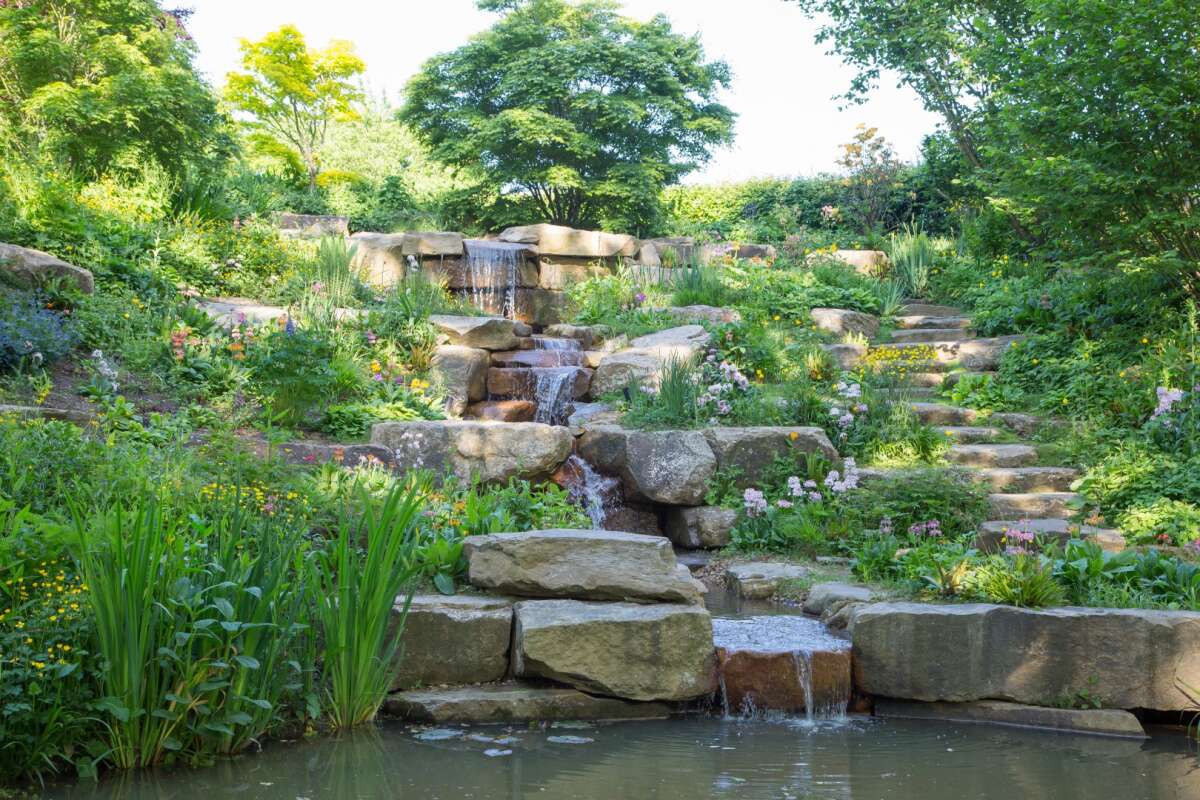 Crowpits, East Sussex. Image credit: Beth Wild
Vanessa: Your deep understanding of the importance in getting the ecology right seems vital with large scale projects including Broadridge Farm, your regenerative design scheme in North Devon with Assemble.
Mark: The Broadridge Farm project brings together a lot of different ideas. You have to understand the soil, the geology and the plant communities that work on a site and express those in a way that's also aesthetically pleasing because that's the other side of things that we've got to get right for our clients. It does take a different way of reading and responding to the site. Architects have a great deal to focus on in terms of the building design, the sustainability and materiality, so it's great that we're able to get involved and bring a biodiverse natural setting which complements the building.
Vanessa: Ideally, you would start early on in the planning of a project. How do the constraints of time in a horticultural project work alongside the making of architecture?
Amy: With a lot of our projects we get straight in at the beginning, at the same time as the architects. We always encourage our clients to give us enough time to design. We still have the time even if the building is already underway. I think the difficulty with landscape is that you're not delivering something in a finished state, whereas the building on the day that it's handed over is complete and ready to move into. When we complete a landscape, it's at the very start of its journey; it's the most immature and less realised than it will be in five to ten years' time. There is a bit of difficulty sometimes in the rush for photography of it looking great. We have to take the clients on a journey to understand how it will mature and change. That process of watching it mature is a big part of the joy of a garden.
Vanessa: How do decisions on using natural materials sit alongside design ideas for planting?
Mark: It's really about a sense of place; the genus loci and honing in on why a site is such a way, what brings those qualities out and the atmosphere. It often starts with the geology, the trees and what grows there. If you can reuse those things creatively and naturalistically, then it has resonance.
 Material audit. Image credit: Hortus Collective
Amy: We're very focused on sustainability. It comes from an idea of local materials. In making a garden that looks right for place we look at what is available locally. The first thing we would look at is what existing materials we have on site. In a lot of our projects we measured up existing stone, or reused bits of log from tree works. On a garden design project in the Peak District we had tons of stone which we reused in various areas throughout the garden. Then if you're not looking at materials on site, you're looking at what is available locally, either reclaimed materials or materials that are made in the area. So the palette of materials that we might use on Sheffield gardens are different to the materials we'll be using on Sussex gardens because there's a very different local geology and crafts. That links into our use of local craftspeople as well in creating something natural, beautiful and bespoke.
Mark: It's also fun. We did a community based project with Okra Studio and Ben Stuart-Smith with a shoestring budget. The site had random bits of metal and wheels and all these fun things that we immediately measured up and started the process of creatively designing furniture with them. If you work with what you've got you can be really imaginative.
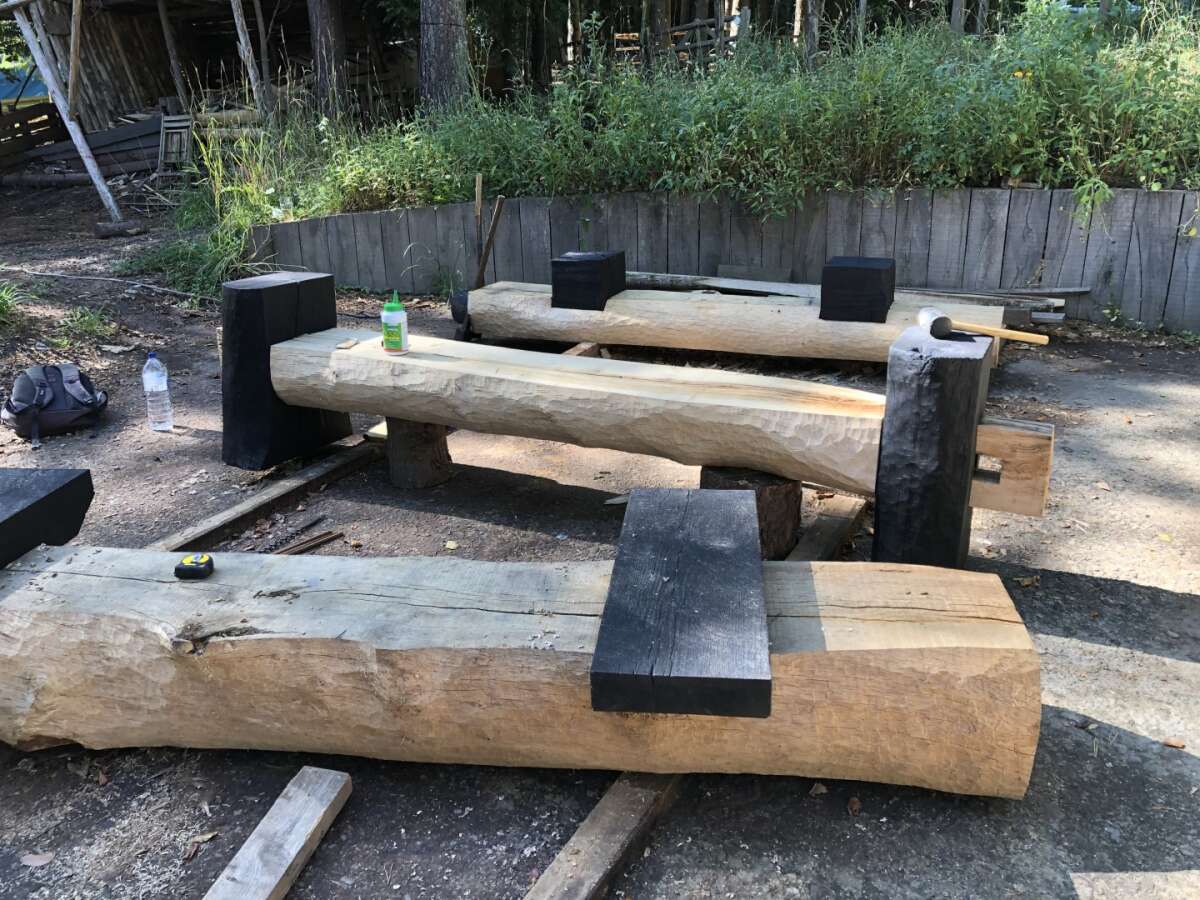 Furniture making for Crowpits, East Sussex. Image credit: Beth Wild
Amy: You don't want to be working with no kind of restraint. Giving yourself these things to work with gives you parameters and design challenges; like how can you create a garden space and its furniture if you can only reuse the materials that you have on the site without buying new things. It creates a design challenge which is a fun puzzle to work out for us.
Mark: We’ve now started Hortus Make to design and make our own furniture. When I started the studio in Wilderness Wood in East Sussex I collaborated with a group of carpenters based in the woods and we were basically taking wood from the estates that we're working on and then milling it ourselves with the mobile sawmill, doing the carpentry and making quite elemental furniture for our designs. It's like a closed loop.
Vanessa: How do you collaborate with architects? Wraxall Yard is such a perfect combination of architecture and planting it seems as if both influenced each other.
Mark: During the first walk around the site with Clem and client Nick Read, I felt really strongly about the inherent beauty it had, and they echoed that as well. Clem is a great lead; she's very artistic and the brief she put together for our collaboration had great sensibility while importantly focused on the shared vision for accessibility for all. It’s a conversation; a process that you go into iteratively, and for both the hard and soft landscape Clem gave us full license. The only stipulation she made on the whole project was "I don't like yellow flowers!" There is an element of trust there which allows her to focus on the building and to steer the ship with all of the different consultants, us included. A good architect will keep an eye on the bigger picture but allow individual consultants to shine. The result is that Wraxall Yard has an honest agricultural vernacular, paired with a planting design that provides a heightened connection to nature. It's very grounded in its own sense of place and not over-designed.
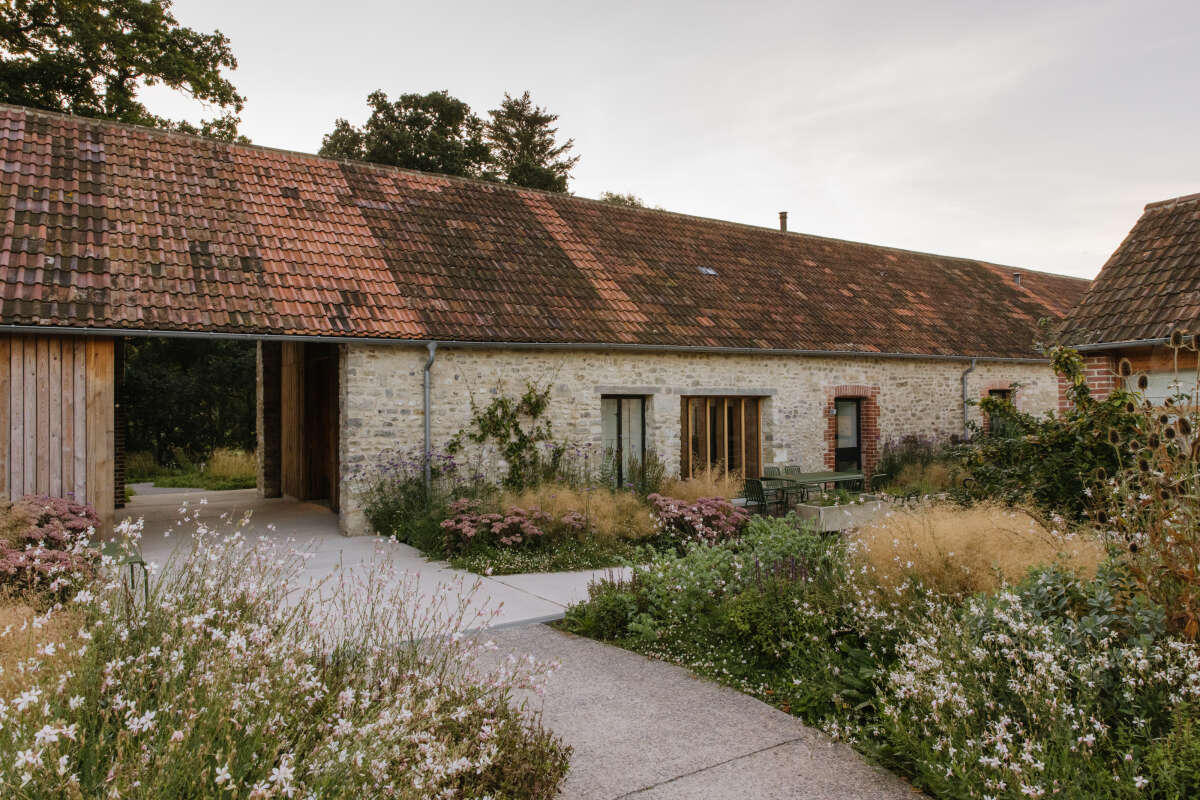 Wraxall Yard. Image credit: Eva Nemeth
Amy: Wraxall Yard is part of an important conversation about how you provide good design for people with accessibility needs. In our Sheffield office we're doing two different gardens for the Children's Hospital at the moment. Being able to deliver high quality garden spaces for groups that really need them and that can be experienced by the public as well is really important.
Vanessa: We seem to be seeking a more spiritual connection to our landscapes. We lost a relationship with the land that had been there for generations. Are you noticing a shift? I see things now written about spiritual ecology.
Amy: With advances in science, people are starting to realise how so many different things within the natural world are interlinked. I think the influence of research into fungi and the connection between trees and the health benefits of landscape alongside a concern for the future is bringing people back to this simpler or more spiritual way of thinking. I do see a big change in the way that things are at the moment.
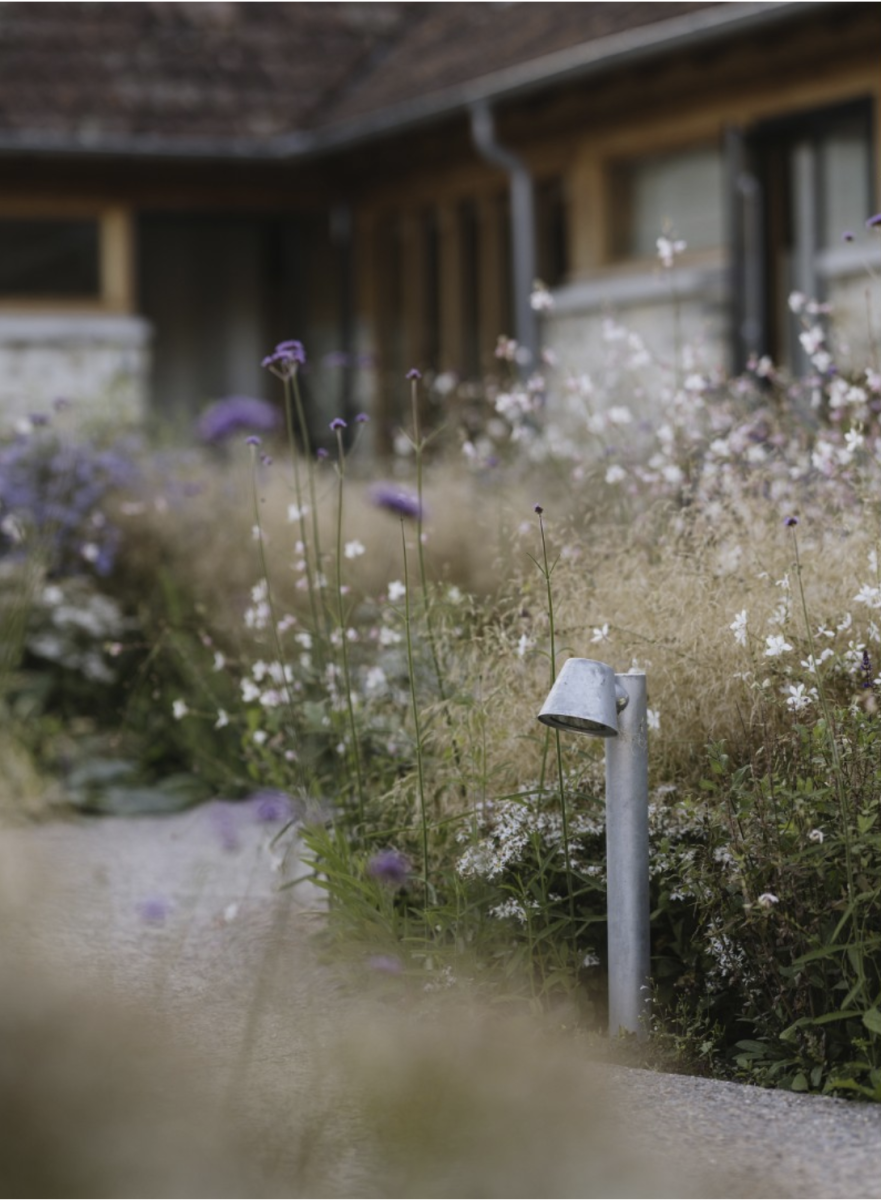
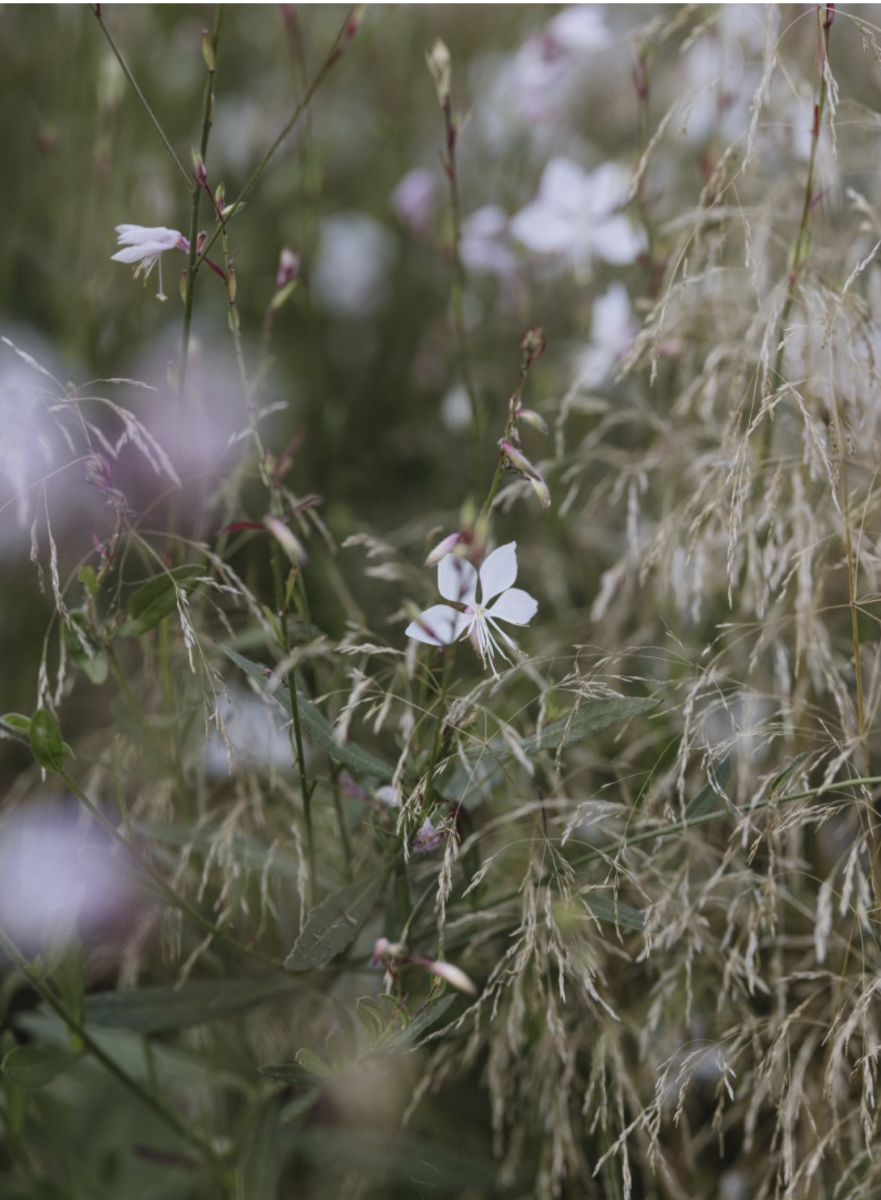 Wraxall Yard, detail. Image credit: Eva Nemeth
Mark: It's always been there; in the Peak District where both Amy and I are from, you feel the energy of that place, the cultural and historic layers that make a place what it is. From my perspective I definitely think there's a lot in heritage craft that following a period of modernism has been reborn again with people wanting to meaningfully engage their working lives in the land, whether that's through making or stewarding the land or designing like we do with landscape and ecology.
Vanessa: St Anne’s College, University of Oxford with Assemble, a project aiming to restore the landscape setting for ten existing Victorian villas, seems like a lovely example of the power of small spaces that can make a big difference.
Mark: Located within a Conservation Area, the design creates a collegiate frontage while responding to the site’s horticultural domesticity, to reinstate the former planted front gardens and enhance urban ecology. We were inspired by Jennifer Owen’s 'Thirty-Year Study into the Wildlife of a Garden’, where even small planted spaces can be proven to make a difference. We have finished the hard landscape restoration and the trees were planted in December 2025. In March 2026 we'll lay out and finish the herbaceous planting layer that will significantly improve the streetscape and with other green spaces in the city create a varied mosaic of habitats to increase biodiversity.
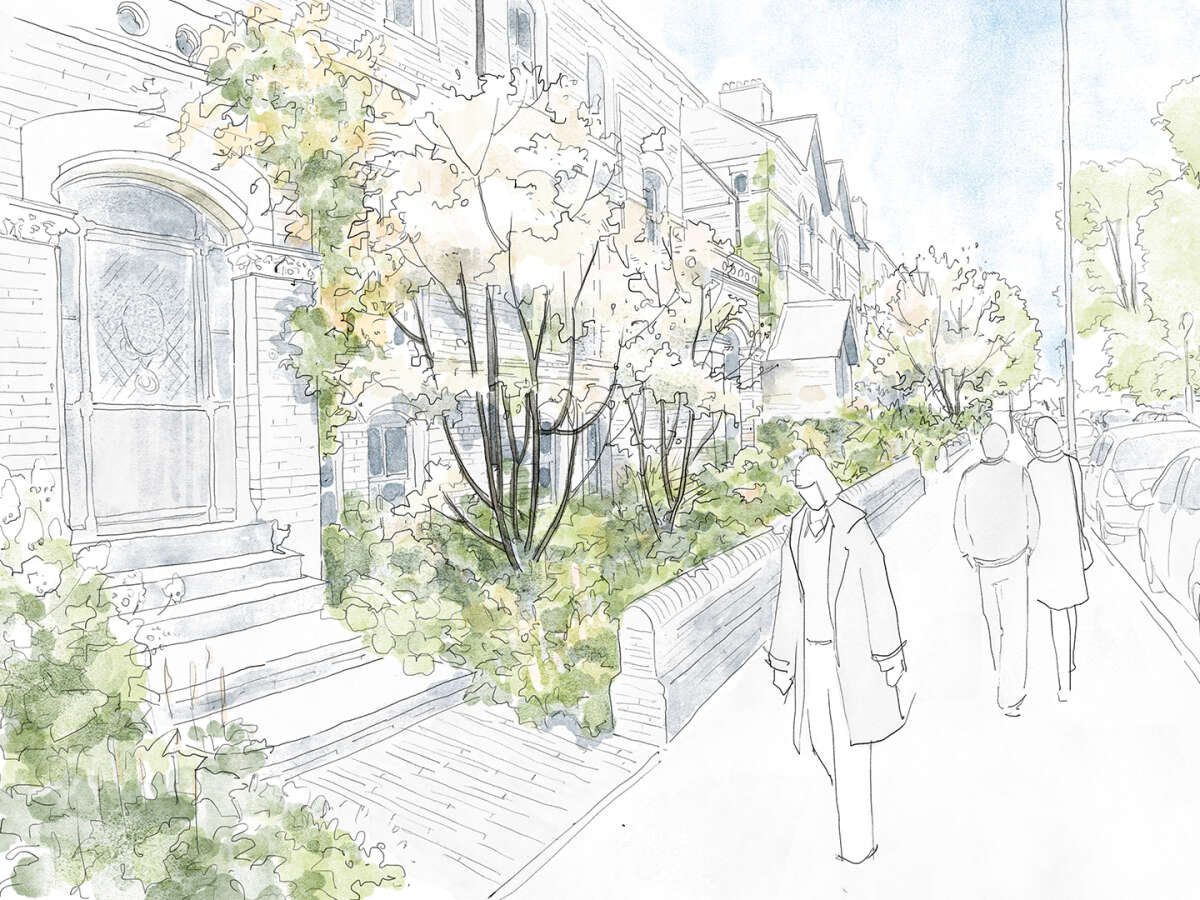 St Annes College. Sketch by Hortus Collective
Vanessa: Where do you get inspiration from?
Amy: I get a lot of inspiration from walking in the Peak District near Sheffield, where you have beautiful native meadows by the sides of the lanes. It's seeing combinations of grasses and a geranium or a knapweed and looking at how they sit together. You never get really floral landscapes in nature, there's always a matrix of grass and then scatterings or waves of flowers running through them. That’s very inspiring to how we arrange our planting and the different percentages of plants we put into mixes. I spend a lot of time in landscapes in the UK and always find them inspiring, more so than actually visiting designed gardens.
Mark: Like Amy, I spend a lot of time in the landscape. My holidays are in the wild landscape, immersed in a different place, a different planting community, a different biome and learning about plants and combinations of plants that I'm seeing. I was in Turkey last Spring and the phrygana there was a tapestry of different subshrubs all over the rocks. As a planting designer it's not necessarily the plant species that I'm looking at straight away; it's the massing and the combinations and then how do you recreate that. As a family we scrambled up to look at what species they were and I documented that in a notebook. You get inspiration from those landscapes.
Vanessa: What does the future hold for Hortus Collective? What kind of projects and collaborations would be the most fulfilling for you both?
Amy: It is political for me - it is the people that I'd like to be working for and with. We would like to be creating more spaces that are truly public. We love working for the NHS, I started my career designing natural play spaces and love to create spaces that are for children and for the public good. Delivering high quality horticulture and spaces for groups of harder to reach people would be really rewarding.
Mark: Who knows, it’s a good journey to be part of! For me the projects and collaborations are focused around thoughtful designers and clients that we want to work with. It's those people that have an understanding of materiality and craft; that common ground is really fertile in terms of creating interesting things. In a good collaboration you can talk to the architecture and they can talk to the landscape and then somewhere in the middle you get something really interesting.
Vanessa Norwood is a curator and consultant for the built environment advocating for low-carbon architecture and materials.
Author
Vanessa Norwood
Published
15 January 2026
Related stories

© Architextures 2026